

OverVIEW
Mobile construction fully equiped by 360 degree projection system
The components of a FullDome system generally include:
1. Dome Structure: The physical dome that serves as the projection surface. It can be a fixed or inflatable structure and is usually hemispherical or slightly domed to provide the immersive experience.
2. Projection System: This includes the projectors used to display images onto the dome. FullDome systems may use multiple projectors to cover the entire dome or specialized fish-eye lenses to ensure seamless coverage.
3. Media Server: A powerful computer system that manages and delivers the content to the projectors. It synchronizes the output from multiple projectors to ensure a unified and coherent image on the dome.
4. Content Creation and Playback Software: Software used to create, manage, and play the immersive content. This includes specialized tools for rendering and preparing 360-degree videos and simulations.
5. Audio System: Surround sound or 3D audio systems are integrated to enhance the immersive experience. This can include speakers mounted around the dome or other advanced audio technologies.
6. Control Systems: Hardware and software used to operate and synchronize the various components of the FullDome system, including projectors, media servers, and audio systems.
7. Calibration Tools: Equipment and software used to align and calibrate the projectors and audio systems to ensure accurate and high-quality projections on the dome.
8. Seating and Viewing Areas: Comfortable seating arrangements positioned to optimize the viewing experience for the audience, often reclined to enhance the immersive effect.
9. Lighting: Ambient lighting within the dome that can be adjusted to complement the viewing experience, usually dim or controlled to avoid interference with the projections.
10. Cooling and Ventilation: Systems to manage the temperature and airflow within the dome, especially important for maintaining the projectors and other electronic equipment in optimal working conditions.
11. Networking and Data Management: Infrastructure for managing data transfer and network connectivity between the various components of the system.
Each component works together to create a seamless and engaging immersive experience for viewers.
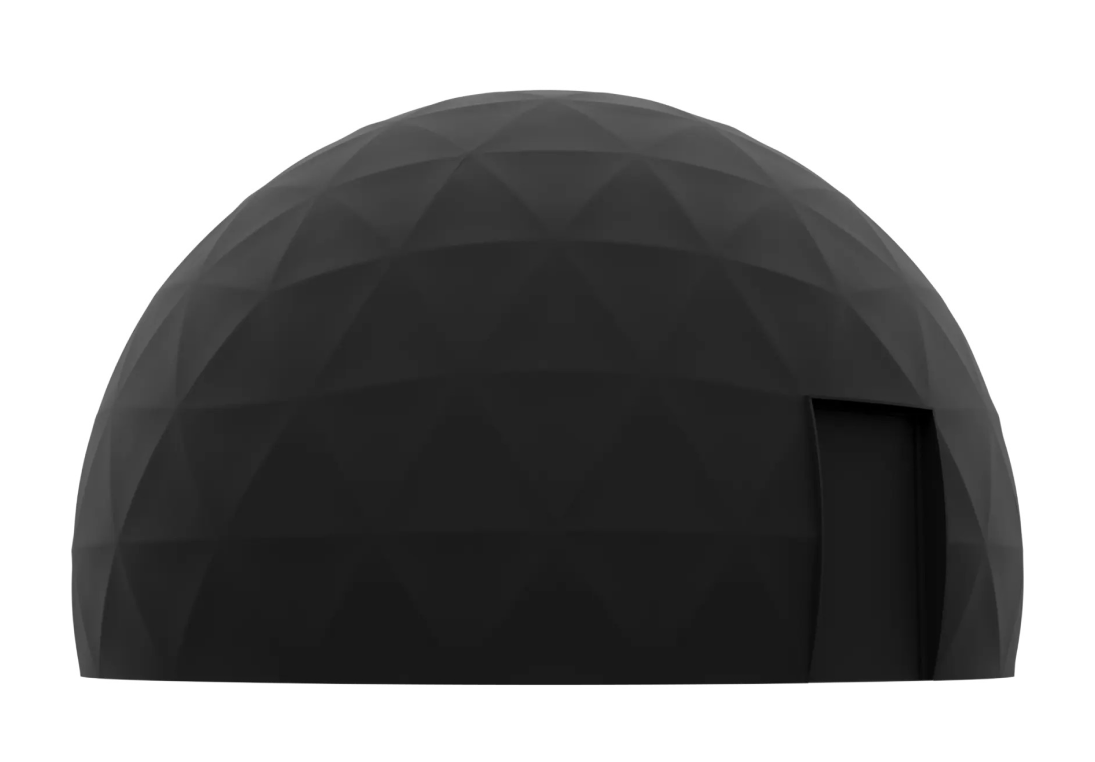
Enclosed
Enclosed domes are self-supporting structures that contain the projection screen and seating area within a fully enclosed space, suitable for both indoor and temporary outdoor use. These domes feature one or more soft or hard locking doors and can be equipped with a branded decorative cover. Ideal for planetariums, immersive theaters, simulation environments, and educational centers where a fully immersive experience is desired.
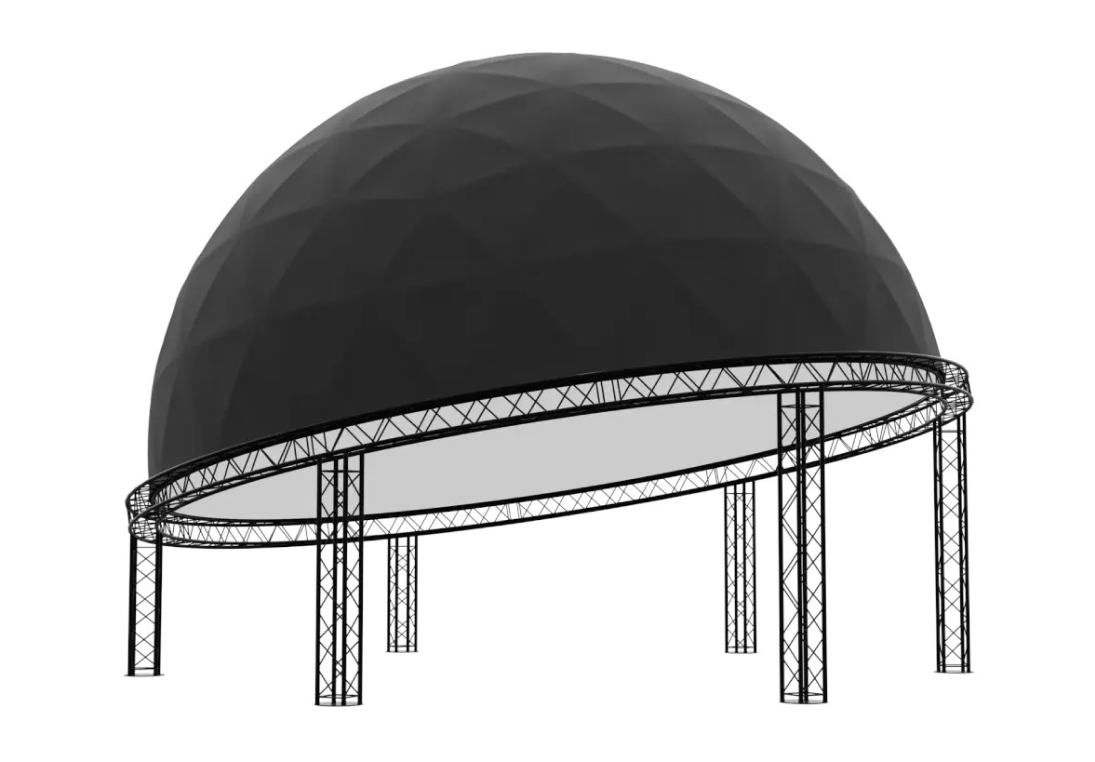
Open-sided
Open domes are used indoors and are perfect for stationary and mobile planetariums. They are also popular in content production studios or used at exhibitions where everyone should have easy access to the dome. They can be placed on columns, fixed with wall brackets, or suspended from the ceiling. Optionally, they can be equipped with blackout curtains if used in well-lit environments to enhance visual clarity.
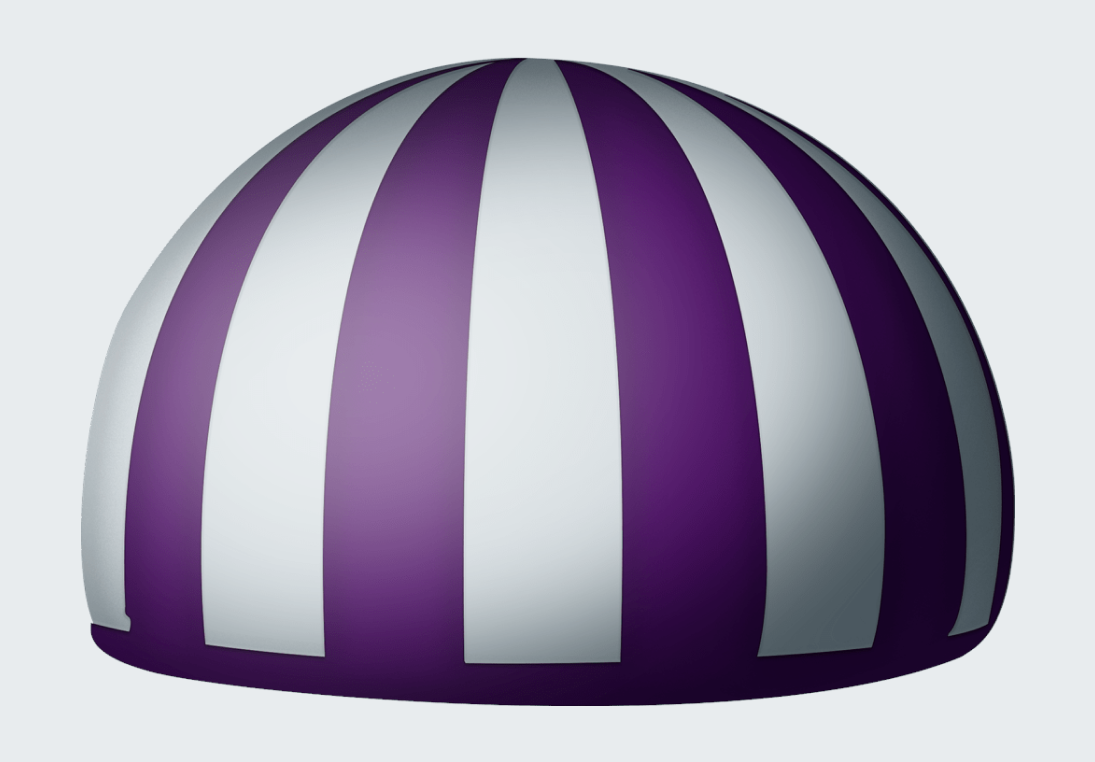
Inflatable
Inflatable domes offer a versatile and immersive environment, perfect for any event. Easy to transport and set up, these domes provide a 360-degree experience that captivates audiences, whether for educational shows, art performances, or corporate events. Good for schools and kids birthday parties. they also provide a cost-effective solution for temporary installations and can be quickly adapted to different themes and purposes.